Underbrush Clearing in Houston, TX
Underbrush clearing services focus on removing dense, overgrown vegetation, shrubs, and small trees that can clutter a property and hinder its appearance or functionality. These projects often involve clearing brush from vacant lots, maintaining trails, preparing land for landscaping, or reducing fire hazards near homes. Property owners typically want to understand what types of vegetation can be removed, the extent of clearing needed, and how the process might impact the landscape or existing structures before requesting this service.
Homeowners considering underbrush clearing usually seek information about the scope of work, including whether it covers invasive plants or thorny bushes, and what areas are suitable for clearing. It’s also helpful to know if the project involves removal and disposal of debris, how long the process might take, and any considerations for protecting nearby plants or property features. Clarifying these details helps ensure the project aligns with property goals and expectations.
Many property owners in Houston, TX look into Underbrush Clearing for repairs, replacements, upgrades, and appearance-related improvements.
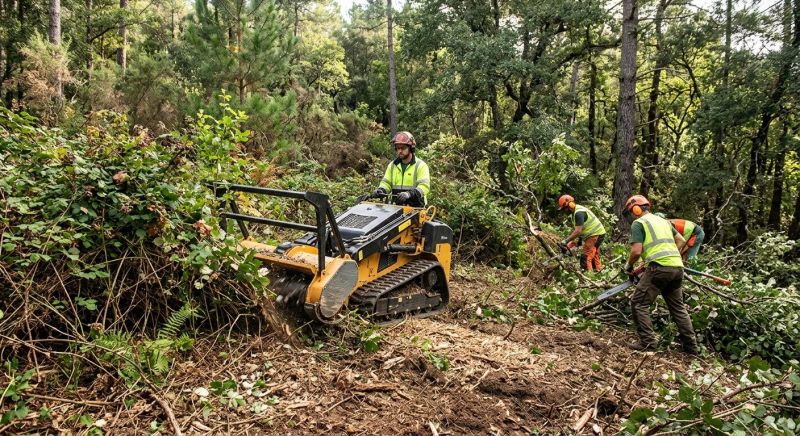
Clearing Overgrown Areas
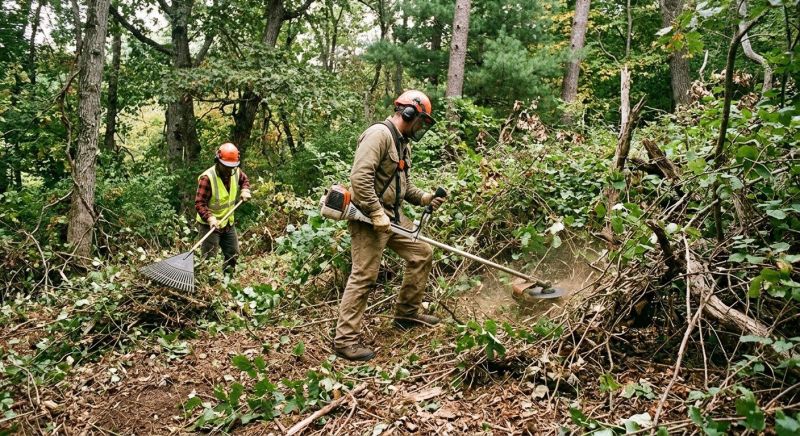
Removing dense underbrush to improve safety and accessibility on residential properties.
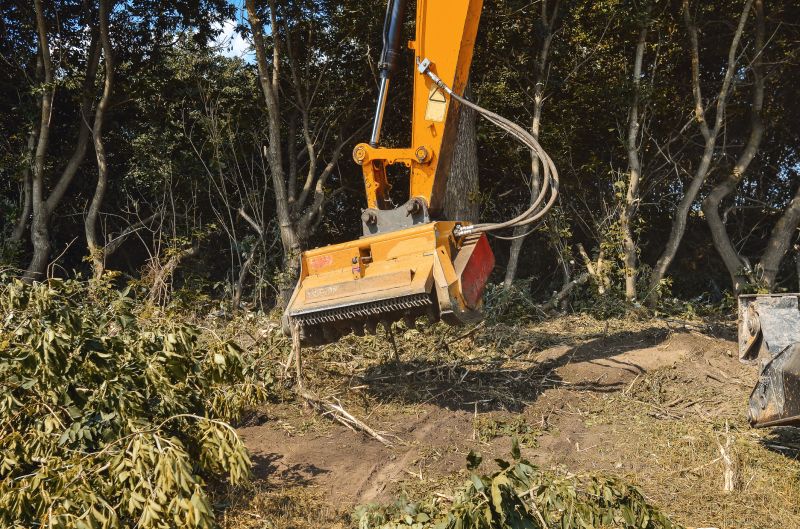
Preparing Land For Development
Creating clear, manageable spaces for landscaping, gardening, or construction projects.
Maintaining Property Aesthetics
Keeping yards tidy and open by removing unwanted underbrush and brush piles in houston, tx.
Underbrush Clearing in Houston, TX

Underbrush clearing services focus on removing dense, overgrown vegetation, shrubs, and small trees that can clutter a property and hinder its appearance or functionality. These projects often involve clearing brush from vacant lots, maintaining trails, preparing land for landscaping, or reducing fire hazards near homes. Property owners typically want to understand what types of vegetation can be removed, the extent of clearing needed, and how the process might impact the landscape or existing structures before requesting this service.
Homeowners considering underbrush clearing usually seek information about the scope of work, including whether it covers invasive plants or thorny bushes, and what areas are suitable for clearing. It’s also helpful to know if the project involves removal and disposal of debris, how long the process might take, and any considerations for protecting nearby plants or property features. Clarifying these details helps ensure the project aligns with property goals and expectations.
Many property owners in Houston, TX look into Underbrush Clearing for repairs, replacements, upgrades, and appearance-related improvements.
Common Underbrush Clearing Jobs
Brush Removal - clearing overgrown shrubs and small trees to improve yard appearance.
Underbrush Clearing - removing dense vegetation to reduce fire risk and enhance safety.
Lot Clearing - preparing property for landscaping, construction, or new planting projects.
Vegetation Control - maintaining open spaces by removing invasive plants and thick undergrowth.
Firebreak Creation - creating cleared zones to help prevent the spread of wildfires.
Pathway Clearing - opening up walkways and access routes by removing obstructive undergrowth.
Underbrush Clearing Questions
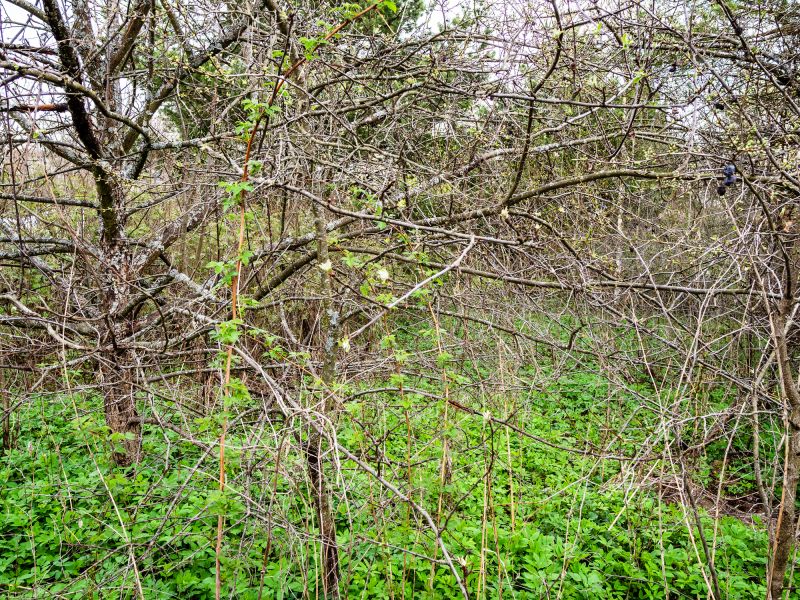
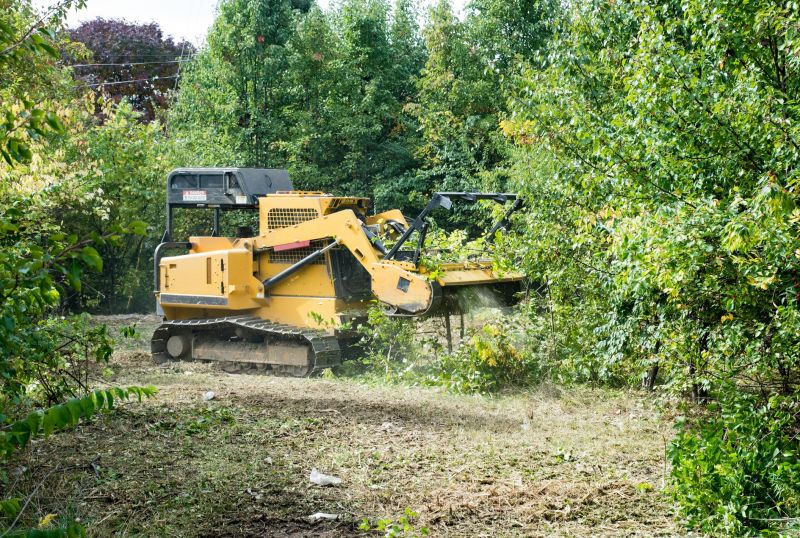
What is underbrush clearing? Underbrush clearing involves removing small trees, shrubs, and dense vegetation to improve property appearance and accessibility.
Why should property owners consider underbrush clearing? Clearing underbrush helps reduce fire hazards, controls pests, and creates more usable outdoor space.
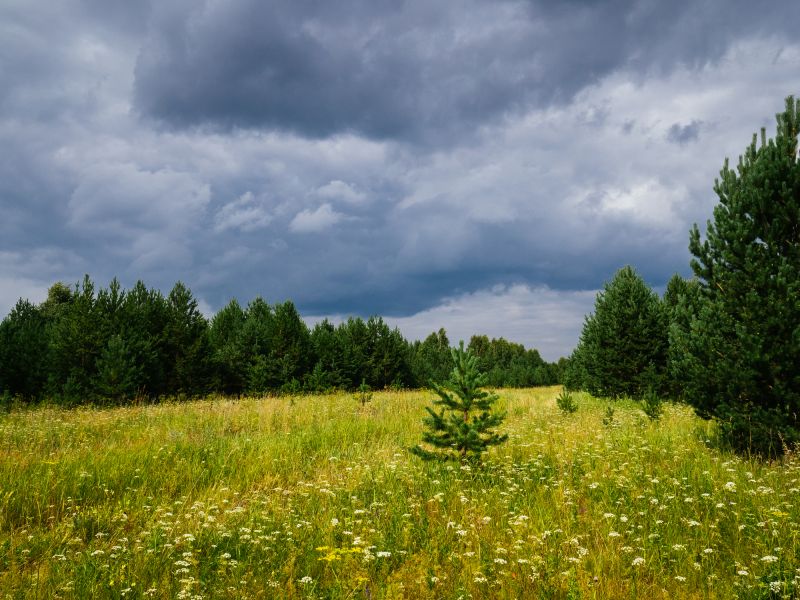
What types of projects typically require underbrush clearing? Projects include preparing land for construction, landscaping, firebreaks, or maintaining open fields and trails.
How often should underbrush be cleared? The frequency depends on growth rate and property use, but regular maintenance can prevent overgrowth and related issues.
Request Underbrush Clearing in Houston, TX
Use the quote form on this page to share the basics of your project and request more information for the type of work you need.