Get Dead Tree Removal in Norwalk, CT
Dead Tree Removal services for property owners in Norwalk, CT, and nearby areas address hazardous, dead, or fallen trees, storm damage cleanup, and tree health assessments.
Dead tree removal services are often sought by property owners in Norwalk, CT to address safety concerns and prevent potential hazards caused by aging or damaged trees. When a tree shows signs of decay, disease, or structural instability, removing it can help minimize the risk of falling limbs or complete tree failure that could damage property or pose injury risks. Additionally, removing dead or diseased trees can improve the overall safety of the landscape, making outdoor spaces safer for families, visitors, and pets.
Beyond safety, dead tree removal enhances the functionality and appearance of a property. Clearing out unsightly or hazardous trees can boost curb appeal and create a more inviting outdoor environment. It also allows for better landscape planning, enabling the healthy growth of new plants or the installation of features like patios or lawns. Many property owners seek these services to reduce ongoing maintenance needs and ensure the durability of their outdoor spaces, leading to a more attractive and functional property that maintains its value over time.
- Dead tree removal services are needed when trees become hazardous due to disease, damage, or age.
- Homeowners in Norwalk, CT, and surrounding areas may require dead tree removal to prevent property damage or personal injury.
- Commercial property owners often seek dead tree removal to maintain safety standards and aesthetic appeal.
- Landscapers and property managers may contact local pros for dead tree removal during property clean-up projects.
- Emergency situations, such as storms or high winds, can necessitate urgent dead tree removal to mitigate risks.
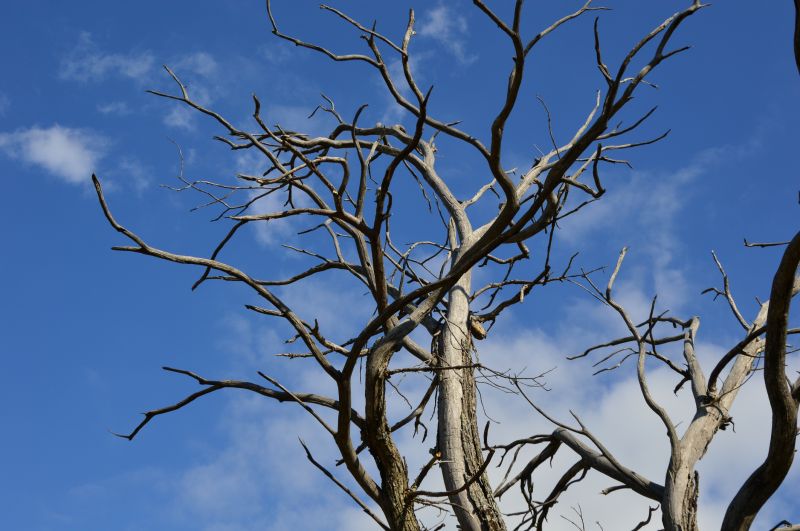
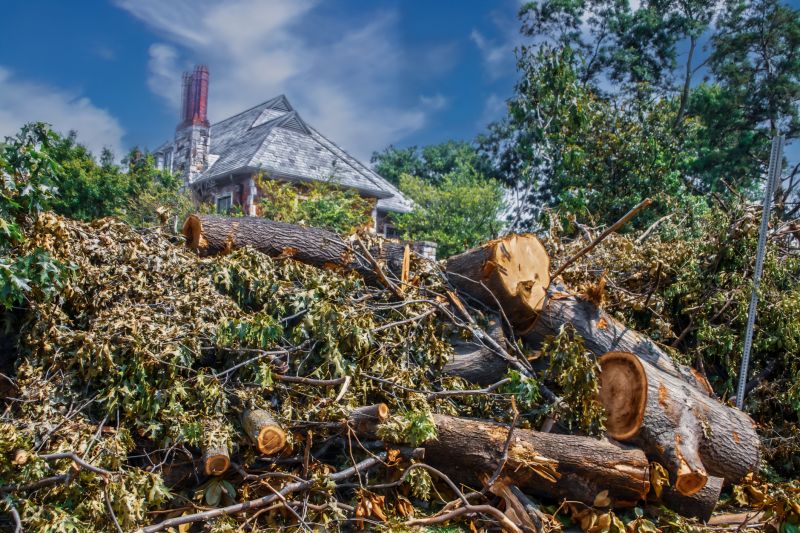
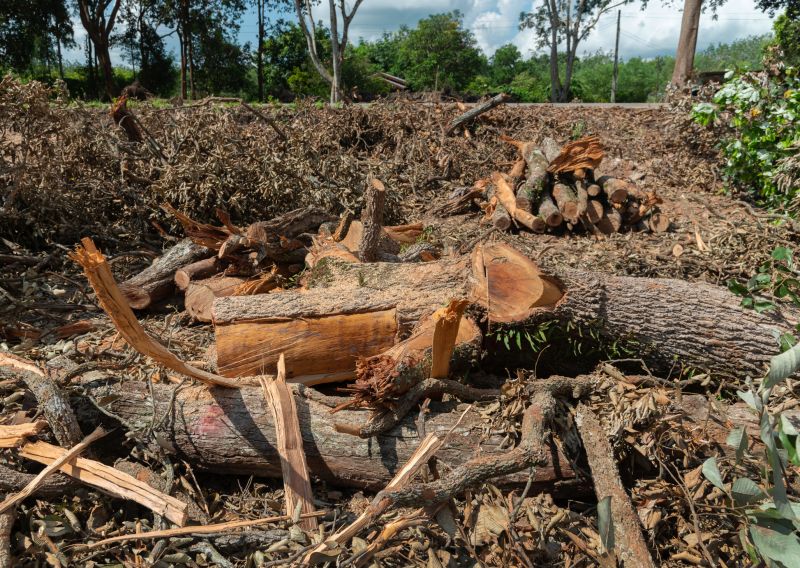
Dead tree removal services involve the careful and efficient removal of dead, dying, or hazardous trees from residential, commercial, and public properties. Professionals utilize specialized equipment and techniques to safely cut and dismantle trees that pose risks to structures, landscapes, or public safety. The process often includes assessing the tree’s condition, planning the safest removal approach, and properly disposing of the debris to prevent any potential hazards or damage to the surrounding area.
Removing dead trees addresses several common problems. Over time, decaying or dead trees can become unstable and fall unexpectedly, leading to property damage or personal injury. They can also serve as hosts for pests or diseases that may spread to healthy trees or plants nearby. Additionally, dead trees can obstruct views, interfere with utility lines, or hinder landscaping efforts. Clearing these trees helps maintain the safety, appearance, and health of the property’s landscape.
Many types of properties utilize dead tree removal services, including residential homes, commercial complexes, parks, and municipal areas. In residential settings, homeowners often seek removal to prevent potential accidents and improve curb appeal. Commercial properties may require dead tree removal to ensure safety for employees and visitors, as well as to comply with local regulations. Public parks and city-managed spaces also regularly contract these services to keep public areas safe and visually appealing.
Professionals offering dead tree removal services typically work in various environments, from densely populated neighborhoods to expansive rural properties. Urban properties may require specialized equipment to navigate tight spaces and avoid damage to nearby structures. Rural or large-acreage properties might involve larger trees or more extensive debris removal. Regardless of the property type, experienced service providers focus on safety, efficiency, and proper disposal to ensure the landscape remains safe and attractive after the removal process.
The overview below groups typical Dead Tree Removal projects into broad ranges so you can see how smaller, mid-sized, and larger jobs often compare in Norwalk, CT.
In many markets, a large share of routine jobs stays in the lower and middle ranges, while only a smaller percentage of projects moves into the highest bands when the work is more complex or site conditions are harder than average.
Average Cost Range - Dead tree removal services typically cost between $200 and $1,000 depending on the size and location of the tree. Smaller trees may fall on the lower end, while larger, more complex removals tend to be higher. Costs can vary based on accessibility and tree height.
Factors Affecting Cost - The total expense for dead tree removal can vary based on the tree’s height, diameter, and proximity to structures or power lines. For example, a small dead tree might cost around $200-$400, whereas a large, hazardous tree could be $800-$1,500 or more.
Regional Price Variations - Prices for dead tree removal services can differ across locations, with urban areas often charging higher rates than rural regions. In areas like Norwalk, CT, typical costs align with regional averages but may fluctuate based on local demand and terrain.
Additional Costs - Extra services such as stump grinding or debris removal can add to the overall cost, often ranging from $50 to $300 extra. These costs depend on the scope of work needed beyond just cutting down the dead tree.
Actual totals will depend on details like access to the work area, the scope of the project, and the materials selected, so use these as general starting points rather than exact figures.
Dead Tree Removal services involve the safe and efficient removal of hazardous or unwanted dead trees from residential or commercial properties in Norwalk, CT and surrounding areas.
Professionals in this category assess tree health and determine the safest method for removing dead or decaying trees to prevent property damage or personal injury.
These services are essential for maintaining landscape safety and can help prevent the spread of disease to nearby healthy trees.
Local tree removal experts utilize specialized equipment to handle trees of various sizes, ensuring proper disposal after removal.
Dead tree removal can improve the overall appearance of a property and create space for new landscaping opportunities.
Contractors offering these services also provide advice on tree health and future landscape management to property owners in the area.
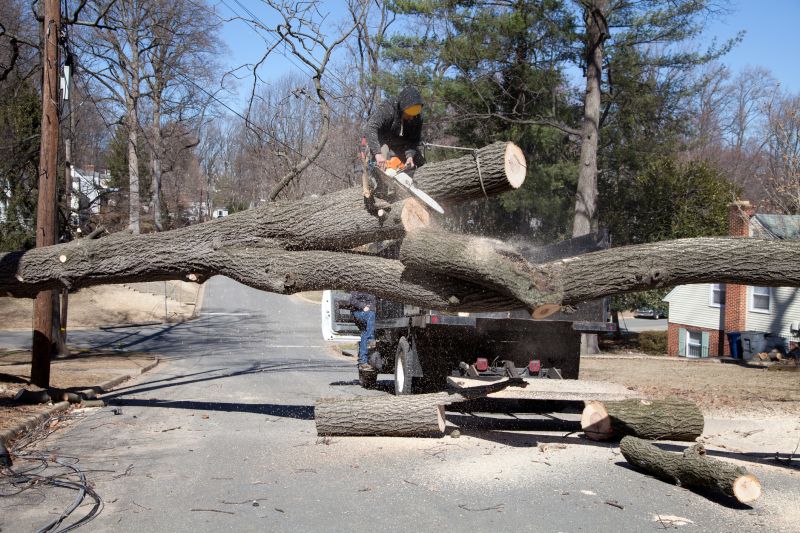
When selecting a professional for dead tree removal, it’s important to consider the experience and track record of local service providers. Homeowners should look for pros who have a history of safely and effectively handling similar projects in the area. Established companies with a long-standing presence often have a better understanding of local regulations and best practices, which can contribute to a smoother process. Verifying references or reviews from previous clients can provide insight into the quality of work and reliability of the contractor, helping to ensure that expectations are clear and met.
Clear communication and written expectations are essential when working with a dead tree removal service. Homeowners should seek providers who are transparent about the scope of work, potential challenges, and any necessary preparations. Having detailed, written estimates or agreements can help prevent misunderstandings and ensure all parties are aligned on project details. Open dialogue with the service provider can also facilitate addressing any questions or concerns before work begins, fostering a professional relationship built on clarity and trust.
It is also beneficial to evaluate the reputation of local pros through reputable references or third-party reviews. A contractor with positive feedback from previous clients typically demonstrates consistency in delivering quality service. Additionally, effective communication throughout the process-from initial inquiry to project completion-can indicate a contractor’s professionalism and commitment to customer service. Homeowners are encouraged to gather multiple options and compare how each provider approaches their dead tree removal needs, ensuring they choose a reputable and communicative local professional.
Property owners in Norwalk, CT use Dead Tree Removal services for practical projects around their homes and businesses. The sections below highlight everyday jobs and straightforward project options.
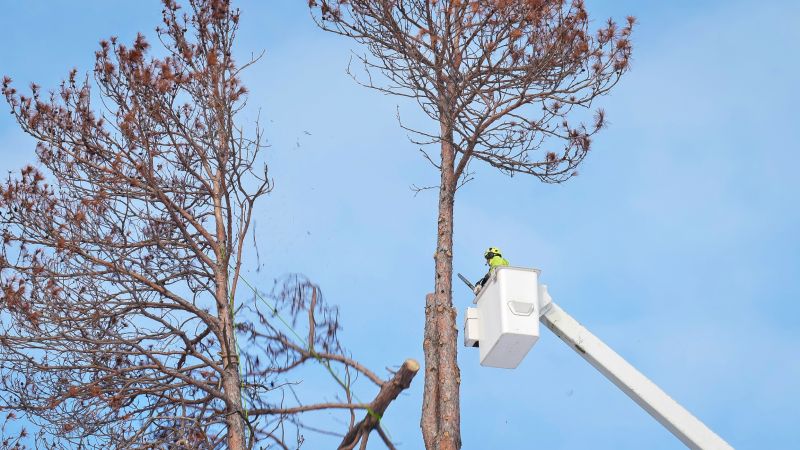
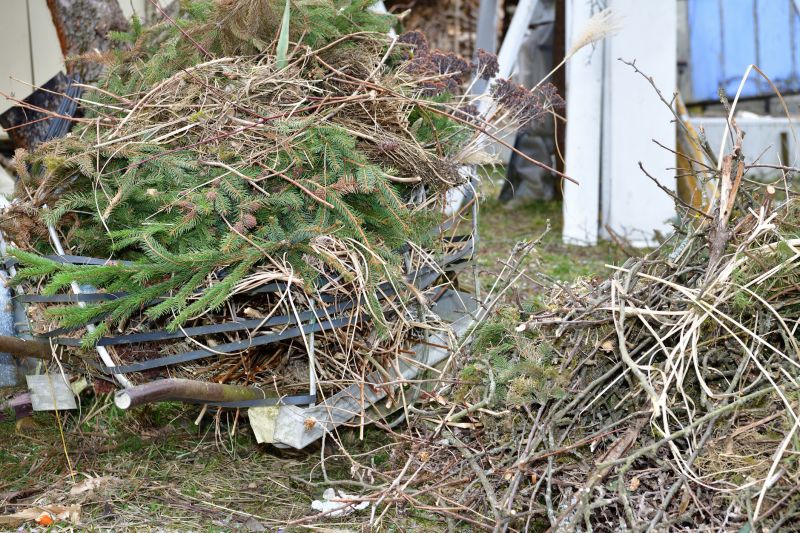
Dead tree removal services are often sought by property owners in Norwalk, CT when a tree has become hazardous due to disease, decay, or storm damage. Removing dead or dying trees helps prevent potential risks such as falling branches or complete toppling, which could cause damage to structures or pose safety concerns for residents and visitors. Local service providers can assist with safely and efficiently removing these trees to maintain the safety and appearance of residential or commercial properties.
Additionally, property owners may request dead tree removal to improve landscape aesthetics or make space for new planting projects. Overgrown or decayed trees can detract from the visual appeal of a yard or garden, and removing them can enhance curb appeal. Service providers in Norwalk can evaluate the condition of problematic trees and provide professional removal solutions tailored to the specific needs of each property.
What is dead tree removal? Dead tree removal involves the process of safely cutting down and removing trees that are no longer alive or pose a risk to property or safety.
When should a dead tree be removed? A dead tree should be considered for removal if it shows signs of decay, disease, or structural instability that could lead to falling or damage.
How do local pros handle dead tree removal? Professionals typically assess the tree's condition, then use specialized equipment to safely cut and remove the tree and any debris.
Are there any permits required for dead tree removal? Permit requirements vary by location; it is advisable to contact local authorities or service providers to determine if permits are needed.
What are the benefits of removing a dead tree? Removing a dead tree can prevent potential property damage, reduce safety hazards, and improve the overall appearance of the landscape.
Dead Tree Removal Services - Local tree removal professionals can safely and efficiently remove dead or hazardous trees from residential or commercial properties.
Assessment and Planning - Experts can evaluate the condition of trees and develop a removal plan tailored to the property’s needs.
Equipment and Safety - Service providers utilize specialized equipment to ensure safe removal while minimizing impact on the surrounding area.
Cleanup and Disposal - After removal, contractors can handle debris cleanup and proper disposal of dead or fallen trees.
Considering Dead Tree Removal for a property in Norwalk, CT? The sections above highlight common project types, practical options, and details that often shape the scope of work.
When you are ready, use the quote form to share a few details about your project. Local pros can review the basics and respond with options that match what you have in mind.